 By admin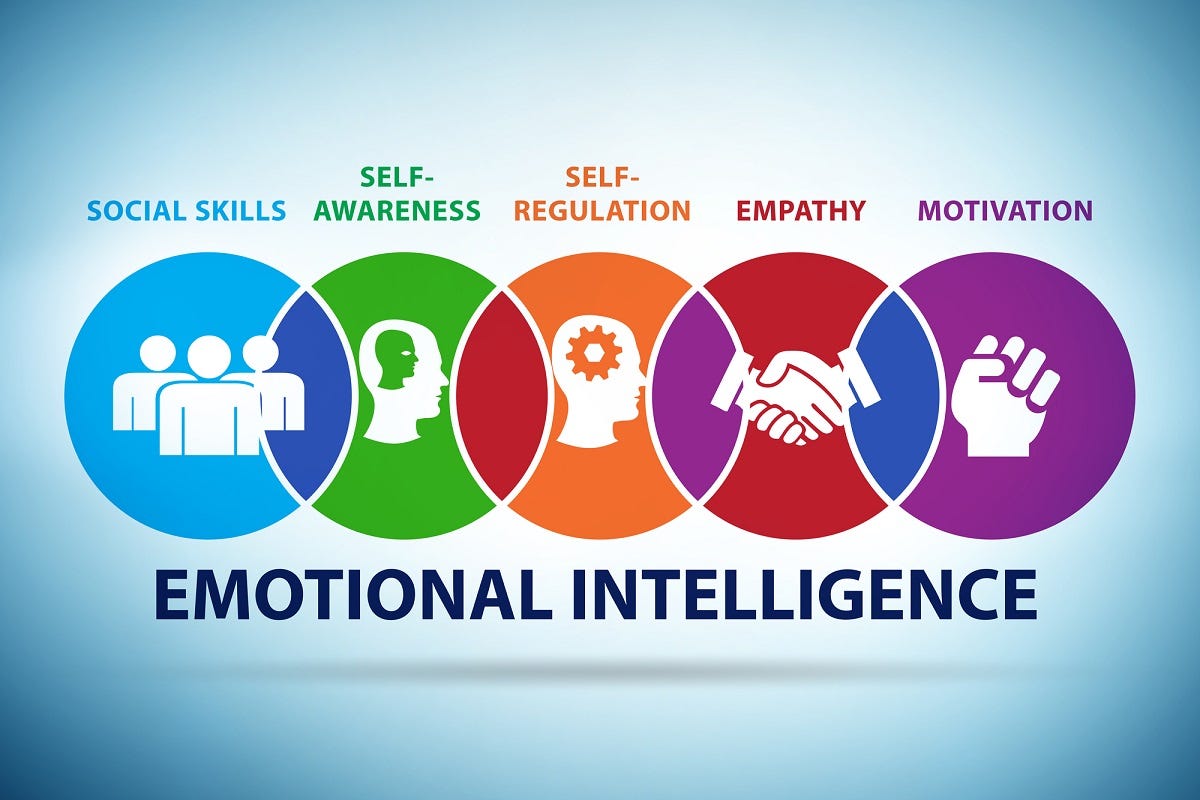
Understanding the Role of Emotional Intelligence in Education
In modern education, the concept of intelligence has evolved beyond traditional measures of academic achievement. While grades, test scores, and subject mastery are still valued, emotional intelligence (EI) has emerged as an equally important skill set for students. Emotional intelligence refers to the ability to recognize, understand, and manage one’s own emotions while also being able to empathize and interact effectively with others. In a world where collaboration, adaptability, and resilience are crucial, emotional intelligence plays a central role in shaping not just academic success, but also personal growth and professional readiness.
The Limitations of Academic Intelligence Alone
Academic intelligence, measured through IQ and performance in subjects like mathematics, science, and literature, is often the primary focus in schools. While these skills are vital, they represent only one aspect of human capability. A student with high academic intelligence may excel in exams but struggle with teamwork, leadership, or stress management. Without emotional intelligence, even the brightest minds can face challenges in adapting to real-world situations, building relationships, or pursuing careers that require strong interpersonal communication. Education that prioritizes only academic excellence risks leaving students unprepared for the complexities of life outside the classroom.
Emotional Intelligence and Student Well-Being
One of the strongest arguments for incorporating emotional intelligence into modern education is its impact on mental health and well-being. Students today face increasing levels of pressure, competition, and uncertainty. Emotional intelligence equips them with tools to manage stress, regulate emotions, and maintain balance in their personal and academic lives. Skills such as self-awareness, self-regulation, and empathy allow students to recognize when they are overwhelmed and seek healthy coping mechanisms. A classroom that fosters emotional intelligence is more likely to produce students who are resilient, motivated, and able to thrive under pressure.
Enhancing Social Skills and Collaboration
Education is not only about individual achievement but also about learning to work within a community. Emotional intelligence enhances social skills by teaching students how to communicate effectively, resolve conflicts peacefully, and collaborate with peers. Group projects, discussions, and extracurricular activities all require a degree of emotional understanding to succeed. When students are emotionally intelligent, they can listen actively, respect diverse opinions, and contribute positively to team efforts. These skills are crucial in professional environments where teamwork and leadership are often the keys to success.
Emotional Intelligence as a Foundation for Leadership
Modern education increasingly recognizes the importance of preparing students for leadership roles. Leadership is not determined by academic intelligence alone but by the ability to inspire, motivate, and connect with others. Emotional intelligence lays the foundation for effective leadership by fostering empathy, adaptability, and the capacity to manage relationships constructively. Students who develop these skills early are better prepared to take on responsibilities in school communities, future workplaces, and society at large.
The Connection Between Emotional Intelligence and Academic Performance
Interestingly, emotional intelligence does not detract from academic performance—it enhances it. Research shows that students with higher emotional intelligence often achieve better academic results because they are able to manage their time, stay motivated, and recover from setbacks. A student who understands their own emotions is less likely to procrastinate or give up after a poor grade. Similarly, emotionally intelligent students can form stronger relationships with teachers and peers, creating a supportive learning environment that boosts their academic progress.
Teaching Emotional Intelligence in Schools
Incorporating emotional intelligence into modern education requires deliberate effort from educators. Schools can integrate EI training through activities such as mindfulness practices, role-playing exercises, reflective journaling, and open discussions on emotions. Teachers can model emotional intelligence by demonstrating empathy, patience, and active listening in their interactions with students. Creating a classroom culture that values emotional well-being alongside academic achievement ensures that students develop as well-rounded individuals. Moreover, digital tools and social-emotional learning (SEL) programs are increasingly being used to help students practice and strengthen their emotional intelligence.
Preparing Students for Real-Life Challenges
Ultimately, the value of emotional intelligence lies in its ability to prepare students for challenges beyond the classroom. From navigating personal relationships to handling workplace dynamics and coping with life’s uncertainties, emotional intelligence is the foundation of resilience and adaptability. Employers in today’s job market often prioritize candidates with strong interpersonal skills, teamwork abilities, and emotional awareness alongside academic qualifications. This highlights the reality that emotional intelligence is not just complementary but essential for long-term success in both professional and personal domains.
Conclusion: Striking a Balance Between EI and Academic Intelligence
Modern education must recognize that true success comes from a balance between academic intelligence and emotional intelligence. While knowledge and technical skills provide the foundation for intellectual growth, emotional intelligence equips students with the human qualities needed to apply that knowledge meaningfully. By teaching students to understand themselves and others, schools can nurture individuals who are not only academically competent but also empathetic, resilient, and capable of leading positive change in society. Emotional intelligence, therefore, is not a secondary skill but a vital component of education that is as important as academic intelligence in shaping the future generation.